
What does a grease trap actually do?
A grease trap or grease interceptor slows kitchen wastewater down so that fats, oils, and grease (often shortened to FOG) float to the top and food solids settle to the bottom. Cleaner water in the middle flows out to the sewer. The device only works while there is room for grease and solids to collect. Once the top layer and bottom layer grow too thick, grease starts leaving with the water and coating the pipes downstream.
Two broad types are common. Small traps sit under or near a sink inside the kitchen. Larger interceptors are usually buried outside with access lids at grade. Both work on the same idea, but the larger ones are cleaned by a pumping service with a vacuum truck, and the lids are heavy and lead to a confined space. Kitchen staff should never climb into or lean deep into an interceptor.
Grease that escapes matters beyond your own building. EPA lists blockages among the causes of sanitary sewer overflows, which can back sewage into buildings and onto streets.
What does a basic grease trap maintenance routine include?
A workable routine has four parts: keep grease out of drains in the first place, empty or pump the device before it is too full, inspect the parts that wear, and keep records. How often each step happens depends on the size of the device, your menu, and your local utility's rules. The right cleaning interval is the one your utility requires or, where it leaves the choice to you, the one your own measurements show keeps the device working.
- Daily: scrape plates, keep sink strainers in place, wipe pans before washing.
- Each shift: check that floor drains and floor sinks are flowing and smell normal.
- On a set schedule: have the trap or interceptor cleaned and get a written service record.
- After each cleaning: note the depth of grease and solids the technician reports, so you can adjust timing.
Who sets grease trap rules for a restaurant?
Rules come from the local wastewater utility or city that receives your sewer flow, from the building and plumbing code that governed installation, and from the health authority that inspects the kitchen. EPA's National Pretreatment Program describes a cooperative structure in which federal, state, and local agencies control nonresidential discharges into municipal sewer systems. Grease programs are typically run at the local end of that structure.
What should a restaurant ask its utility?
- Is a grease program or permit required for this address, and who is the contact?
- Is there a required cleaning frequency or a fullness level that triggers cleaning?
- What records must be kept, for how long, and must haulers submit manifests?
- Are additives or enzymes allowed, restricted, or prohibited?
- What happens at change of ownership or a menu change?
Write the answers down with the date and the name of the person who answered. If you take over an existing restaurant, do not assume the previous owner's arrangement carries over.
What happens during a grease trap cleaning?
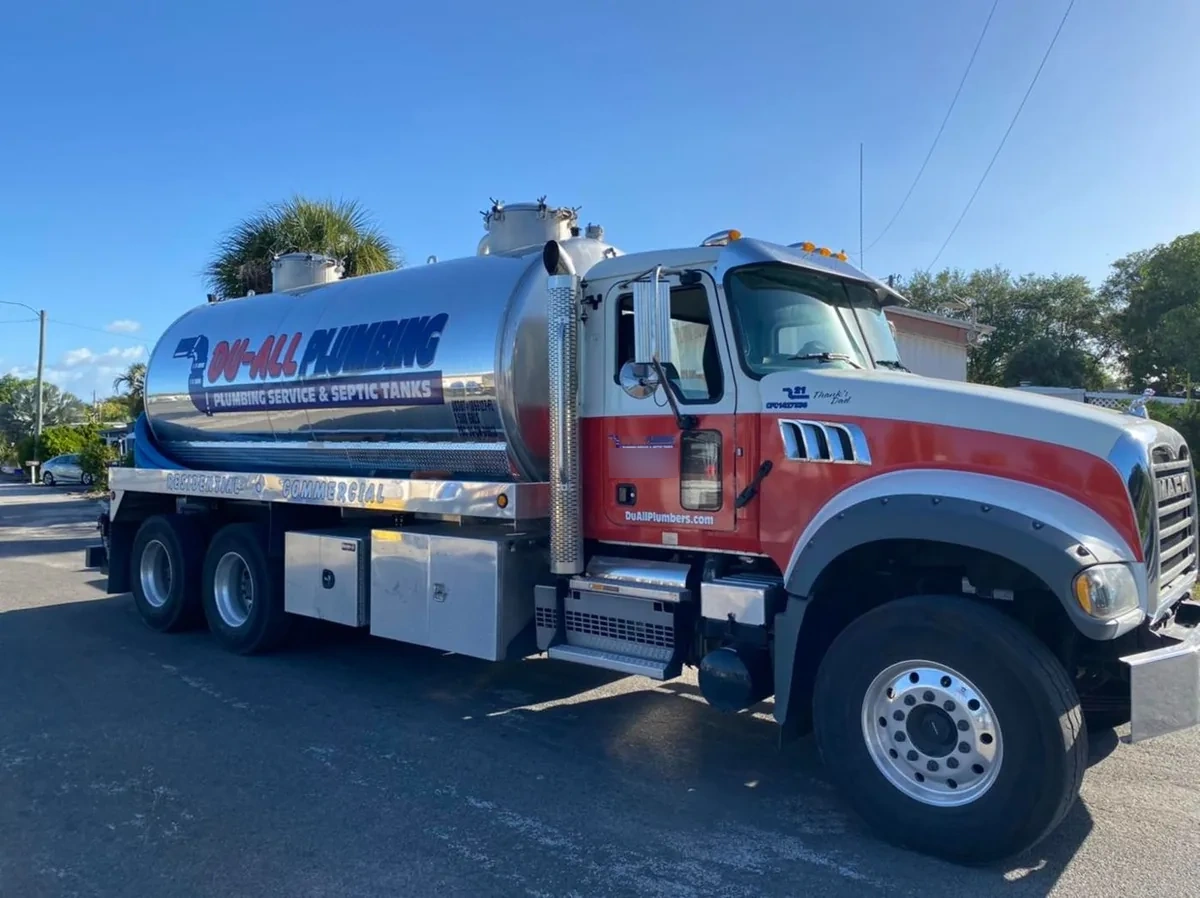
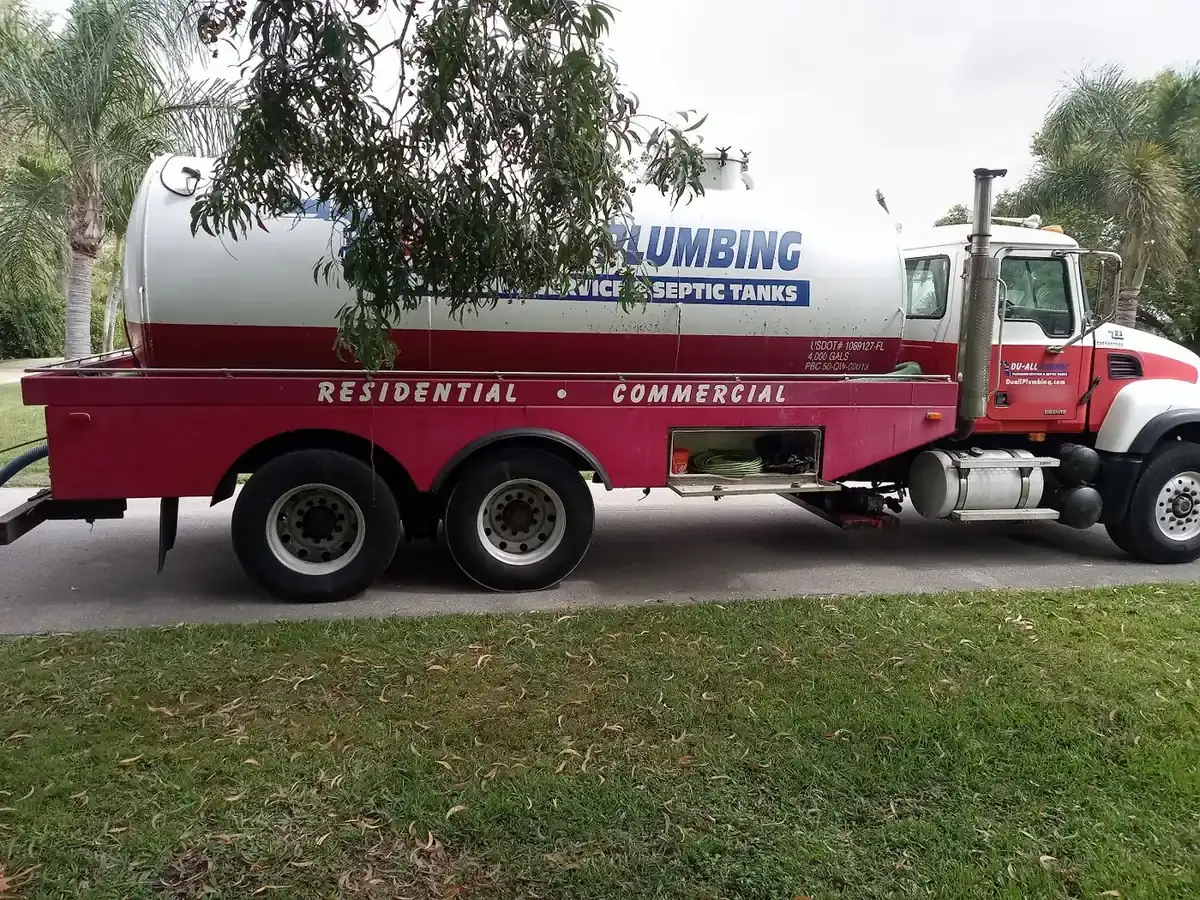
For a small indoor trap, a technician typically removes the lid, removes the floating grease layer and settled solids, scrapes the walls and baffles, checks that inlet and outlet paths are clear, and reinstalls the lid with its gasket. For an outdoor interceptor, a licensed hauler pumps the full contents with a vacuum truck so grease is not left behind in the tank.
What should a manager check after the cleaning?
- The device was emptied fully, not skimmed and refilled with its own water.
- Baffles, tees, or outlet fittings are present and not broken.
- Lids and gaskets seat properly, and there is no sewer odor in the kitchen afterward.
- You received a written record listing date, company, volume removed, and condition notes.
If grease has reached the line beyond the device, cleaning the trap alone will not clear it. Ask whether the downstream line also needs attention, and have that work done by a plumber with proper drain equipment rather than by kitchen staff.
Partial pumping can make a device look clean while leaving solids that shorten the time to the next problem. If the hauler reports damaged parts, schedule the repair rather than waiting for the next cleaning.
How do you prevent grease trap backups?
Most backups come from grease and solids getting into the system faster than the device can hold them, or from a device that has passed its cleaning point. Prevention starts at the sink.
- Collect fryer oil and pan grease in a dedicated container for a rendering or recycling service, not the drain.
- Dry wipe pots, pans, and sheet trays with a paper towel before they go to the dish area.
- Keep strainer baskets in every sink and floor drain, and empty them into the trash.
- Do not run garbage disposals into a line that feeds the grease device unless your plumber and utility say that is acceptable for your setup, since ground food adds solids.
- Avoid pouring boiling water or degreasers into sinks to flush grease. The grease cools and sets again downstream.
Which signs show a grease trap is nearing trouble?
Slow floor sinks, gurgling at the three-compartment sink, grease odor near the lid, and water rising in floor drains when the dish machine drains are all early warnings. Record when each appears so the next cleaning can be scheduled sooner.
What are commercial kitchen plumbing best practices beyond the trap?
The grease device is one part of a kitchen's drainage. Floor sinks, indirect waste connections, hand sinks, and the water heater all need attention.
- Keep air gaps at indirect waste connections, such as ice machine and dish machine drains, clear and unobstructed. Do not extend a drain hose down into a floor sink.
- Keep floor drain covers in place and clear of mats so mop water drains properly.
- Report any hand sink that is slow, leaking, or lacks hot water, since hand sinks are basic to food safety.
- Watch for leaks at sprayer hoses and pre-rinse valves. A worn pre-rinse spray valve wastes hot water continuously during service.
- Know where the kitchen's water shutoff is and how to isolate the water heater, but leave any gas valve and burner work to qualified technicians.
Our commercial property plumbing maintenance guide covers the rest of a restaurant building, including restrooms and records.
How can a kitchen prepare its plumbing for a health inspection?
Health inspectors look at plumbing as it affects food safety: whether hand sinks work, whether there is hot water, whether drains back up onto floors, and whether connections could let dirty water back into clean water. The FDA Food Code is a model offered for adoption by state and local jurisdictions, so the exact rules depend on which version your inspecting agency adopted and how it applies them.
What plumbing items belong on a pre-inspection walkthrough?
- Every hand sink has hot and cold water, soap, towels, and drains freely.
- No hoses lie in sinks, buckets, or floor sinks where they could siphon water back.
- No drains are pooling or backing up during dish and prep work.
- There are no visible leaks under sinks or behind equipment.
- Grease trap records are on site and current.
- The mop sink faucet works, and backflow protection on hose connections and other fixtures has been reviewed by a plumber against the rules that apply to your kitchen.
Fix any item that fails before the inspector arrives and keep the work record.
What should a grease trap inspection check?
An inspection is a look at condition and fullness between cleanings. Kitchen staff can check signs from the surface. A plumber or hauler should handle anything that requires removing heavy lids or reaching into the device.
| Item | What to look for | Who checks |
|---|---|---|
| Surface signs | Odor, slow nearby drains, grease on the lid area | Kitchen staff |
| Grease and solids depth | Thickness of top and bottom layers compared with total depth | Hauler or plumber |
| Baffles and outlet fittings | Present, attached, not cracked or clogged | Hauler or plumber |
| Lids and gaskets | Seated, intact, secured | Staff can report, plumber repairs |
| Records | Date of last cleaning and condition notes | Manager |
Never enter an outdoor interceptor or lean into an open one. Gases inside can be dangerous and the opening is a fall hazard. Staff should not remove heavy covers; the hauler or plumber who opens a lid is responsible for closing and securing it before leaving.
What are FOG best practices that work in a busy restaurant?
FOG practices only work if they are simple enough to follow at the peak of service. Post short instructions in the languages your staff read, at the dish station and prep sinks.
- Label used oil containers and keep them covered and away from floor drains.
- Train every new hire on scraping and wiping during their first shift, not later.
- Keep absorbent pads near the fryer for small spills instead of hosing them to a drain.
- Make a single person responsible for checking strainers at close.
- Keep a laminated card showing the shutoff location and who to call if drains back up.
Watch the results. If the hauler reports a thick grease cap well before the scheduled cleaning, look at what changed: new menu items, a new fryer, new staff, or a strainer that went missing.
How does a preventive grease trap program work?
A preventive program replaces reacting to backups with a schedule that is adjusted from your own data. Start with the interval your utility requires. If there is no set interval, start with the hauler's recommendation for your device, then record the grease and solids depth at each service.
What data should a preventive program record?
- Date, company, and technician for each cleaning.
- Volume removed and grease and solids depth at arrival.
- Repairs needed and completed.
- Backups or slow drains between services, with dates.
- Menu or equipment changes that could affect grease volume.
After several cycles you will see whether the interval is too long, with heavy layers at arrival, or too short. Change the schedule within the limits your utility sets. Keep the records where an inspector or utility representative can see them.
What if the grease trap fills up faster than the schedule allows?
If every service finds heavy grease and solids layers no matter how often you clean, the device may be too small for current kitchen volume, or a fixture that should not drain to it may have been connected. Menus change, and a trap that suited a café may not suit a kitchen that later added fryers and a second dish line.
- List every fixture and appliance that drains to the device, and when each was added.
- Compare meal counts or hours of operation now against when the device was installed.
- Ask the hauler whether the inlet or outlet shows damage that lets grease bypass the baffles.
- Ask your plumber to review the connections and, if a change is needed, confirm permit and utility requirements before any work.
Replacing or resizing a grease device is a permitted job in most places and the utility may have review requirements. Do not swap in a different unit on your own.
What should a new restaurant owner check on day one?
Find the device, read the last service record, confirm the hauler and utility contacts, and schedule a cleaning and inspection before opening so you start with a known condition rather than inheriting the previous operator's backlog.
What questions do restaurant owners ask most about grease traps?
The answers below cover the questions that come up most in commercial kitchens. Your utility's rules control if they differ from general guidance here.
Do enzyme or bacterial additives replace pumping?
No additive removes the need to clean a grease device. Some products break grease into smaller particles that can re-form farther down the sewer. Many utilities restrict additives, so ask yours before using any.
Why does the kitchen smell like sewage after a cleaning?
Common causes are a lid or gasket that did not seat, a dry floor drain trap, or a damaged outlet fitting. Pour water into floor drains to refill trap seals, check the lid, and call if the smell continues.
Who should you call when the kitchen drains back up?
Stop using the affected sinks and the dish machine, keep staff away from standing wastewater, and call a plumber at 888-800-2555. If grease is the likely cause, a pumping service may also be needed. See our commercial plumbing services, browse the learning center for related topics such as the sewer maintenance checklist, or contact Du-All to set up service.