Du-All offer
$37 off
Your next service call
Not valid with other offers. Not valid on prior service. Limit one coupon per service call.
Above ground. Below ground. Du-All.
Leak detection for your Haverhill home or business.
For water leak detection in Haverhill, call Du-All Plumbing for leaks on your side of the meter. Check the name on your water bill; meter and street-side leaks go to that utility.
Request service
Share your property address and the problem you’re seeing. A Du-All team member will call you to arrange service.
This request does not confirm an appointment. To speak with the team, call 561-623-3111.
 A+ rated by the Better Business BureauView our BBB profile →
4.6/5 on Google348 reviews · Lake Worth BeachRead Google reviews (opens in a new tab)
Leak detection for Haverhill's small residential town
Quick answer
For water leak detection in Haverhill, call Du-All Plumbing for leaks on your side of the meter. Check the name on your water bill; meter and street-side leaks go to that utility. Call 561-623-3111.
Water leak detection in the Town of Haverhill, ZIPs 33415 and 33417, a small residential town around Haverhill Road and Belvedere Road west of West Palm Beach.
Haverhill covers well under a square mile, and its homes have not always been on public water. A Palm Beach County neighborhood plan for the area describes Haverhill as having historically relied on wells and septic systems, and the town's spring 2025 newsletter still carried an item on septic and well maintenance. Today, check the name on your water bill to confirm which utility serves your home. Why does the history matter for leak detection? Because some properties may still have a private well, often for irrigation, alongside a county meter. Water from a private well never passes through the utility meter. A leak in a well-fed sprinkler system will not show on your bill, and a high bill will not be explained by it.
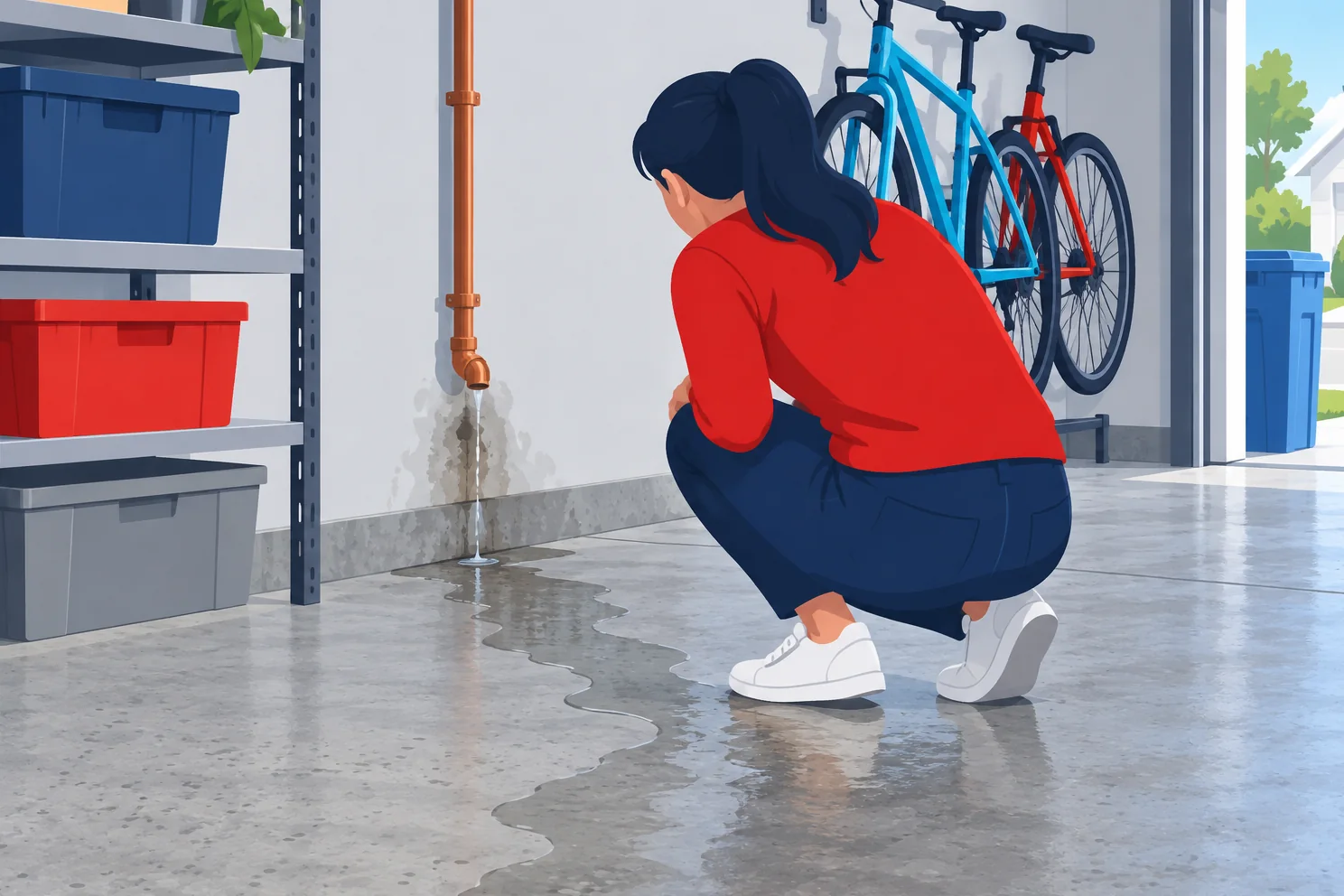
Find out before testing. Look for a well pump, a pressure tank, or an irrigation system with its own pump and no connection to the house plumbing. If your sprinklers are well-fed, leave them out of any meter test because they do not affect it. If they run on county water, they are one of the first things to check.
Never cross-connect a private well with the public supply. Backflow prevention exists for that reason, and the county publishes guidance on it. If you are not sure how your system is plumbed, that is something we can look at during a visit. Also remember that switching an irrigation controller off does not isolate a zone valve that is stuck partly open; the supply valve feeding the system has to be closed to take irrigation out of a meter test.
If Palm Beach County Water Utilities bills you, its FAQ suggests reviewing recent activities first. Filling an average pool can take up to 20,000 gallons, and a hose left running can use hundreds. If the bill rose significantly and nothing in your household changed, the county says that could indicate a leak, and it names toilets and irrigation as the most common culprits.
County customers can sign up for myAMI to view consumption reports and receive usage alerts. Overnight flow when the house is asleep is the clearest sign something is running that should not be.
Turn off every faucet, appliance, meter-fed irrigation zone and pool autofill. Read the register if it is visible without forcing the lid, wait about two hours without using water, and read again. EPA WaterSense describes the same method. A change means water passed through the meter.
Do not pry the lid, dig around the box or try to operate the utility's valve. Palm Beach County Water Utilities asks its customers to report broken or missing meter lids and exposed leaks near the meter to its 24-hour hotline. It also warns that raising your yard with fill or sod so the meter sits below grade can lead to charges if the meter becomes inaccessible.
Du-All offer
Your next service call
Not valid with other offers. Not valid on prior service. Limit one coupon per service call.
All of them. EPA's dye test catches the most common hidden leak: a few drops of food coloring in the tank, ten minutes without flushing, then look for color in the bowl. If it shows, the flapper or seal needs attention, a simple repair covered on our toilet repair page.
Then look under sinks, at the washing machine hoses, around the water heater and its relief line, and at outdoor hose bibs. A slow drip at a fitting is easy to miss in a cabinet that is rarely opened.
If the meter still moves after toilets and irrigation are ruled out, we use the home's own valves to divide the system. Closing the house shutoff tells us whether the leak is inside or on the line from the meter. Closing the water heater inlet separates the hot side.
Signs inside include damp baseboard, a warm patch of floor that could suggest a hot-water line in the slab, or the sound of water in a wall when nothing is running. We do not assume a cause from the age or location of the house. If an inspection opening is needed, we explain why first.
Because septic systems are part of the town's history, a wet area in the yard is not always a water supply leak. A soggy patch over a drainfield or around a tank can be a septic problem, and it needs a different response. Water supply leaks tend to be clear and constant; septic surfacing often comes with odor and may follow heavy household use. If you are unsure, tell us what you see and smell, and we will help sort it out. Our sewer line repair page covers drain-side problems.
Write down whether your sprinklers run on a well or public water, when the bill went up, and what the myAMI graph shows overnight if you use it. Note any stains, warm floors or wet spots and when they appear. If there is a septic system, mention it, along with any odor or slow drains. Those notes help us tell a supply leak from a drain or septic issue before anyone opens a wall.
Close your home's main shutoff if you can reach it and it turns by hand. Do not force a seized valve. Stay away from water near outlets, appliances, well pump controls and cords, and out from under any ceiling that sags. Do not handle electrical equipment while standing in water. For a leak at the meter, call the utility named on your bill. Otherwise, contact our team.
A repair stops future waste. Whether your utility adjusts a past bill depends on its policies; no credit is guaranteed. Ask your utility's customer service after the repair and keep a dated invoice describing the leak and the fix. Our leak detection and repair service page explains how repairs are approached, and our article on leaky pipes and water bills covers why small leaks cost more than they seem.
Leak detection pages for neighboring communities: water leak detection in West Palm Beach, water leak detection in Greenacres, water leak detection in Palm Springs.
Before you call
Check the name on your water bill. That utility handles your meter and billing.
No. Water from a private well does not pass through the utility meter.
Call the utility named on your bill. Palm Beach County Water Utilities customers can use its 24-hour line using the official contact details, for exposed leaks near the meter or broken lids.
If Palm Beach County Water Utilities bills you, its myAMI tool shows consumption reports and can send usage alerts.
Not always. It may be irrigation, the supply line, or a septic issue on properties with septic systems.
4585 Charlotte Street.
See all plumbing services in Haverhill for this city.
Nearby leak detection
Back to water leak detection and repair, or browse every city on our locations page.
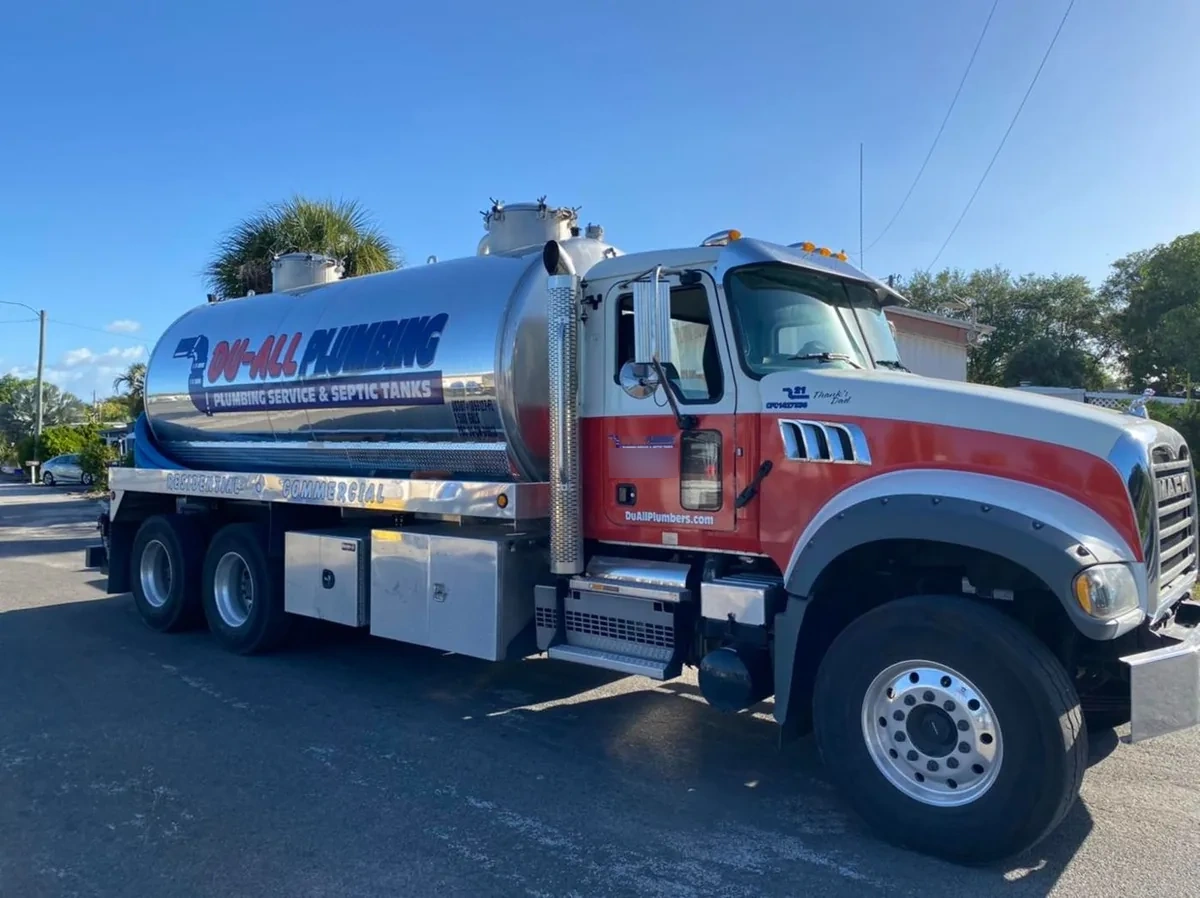
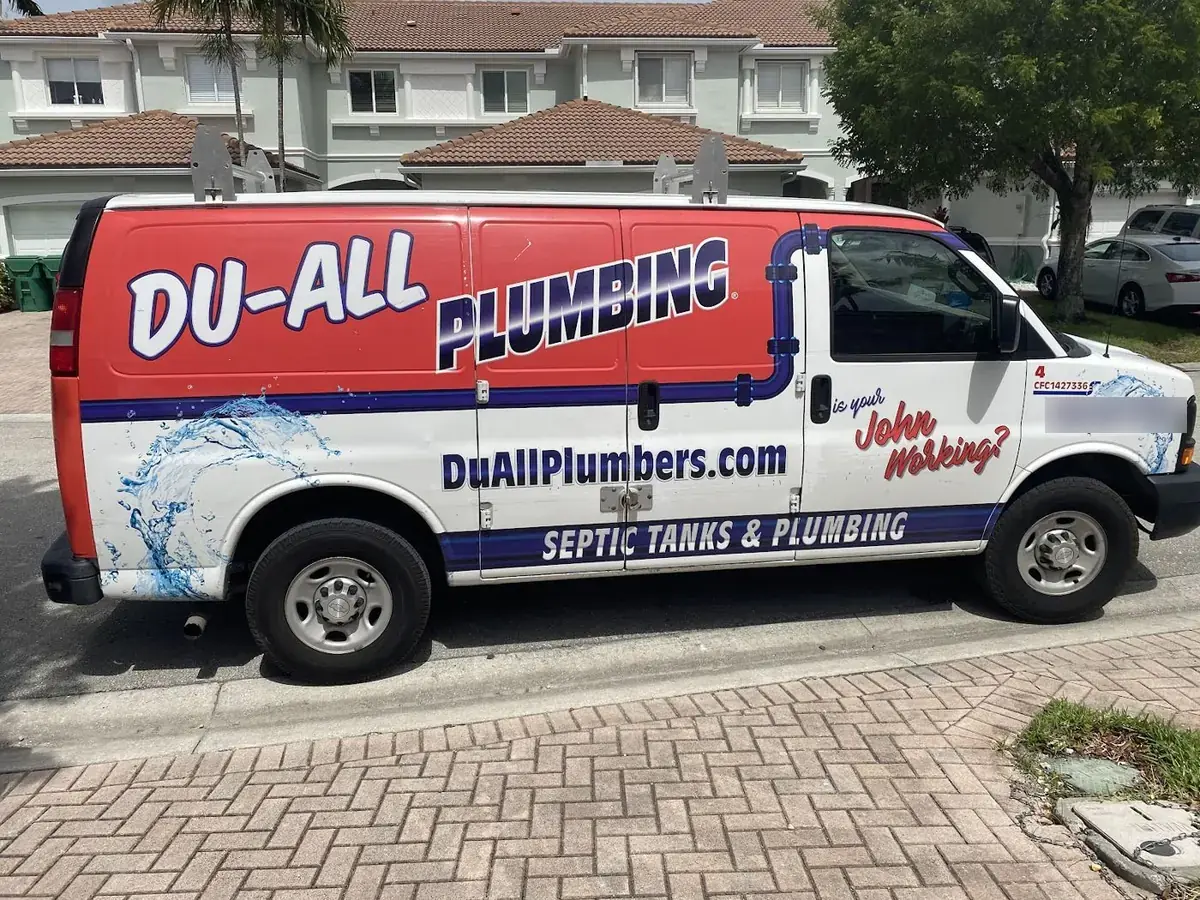
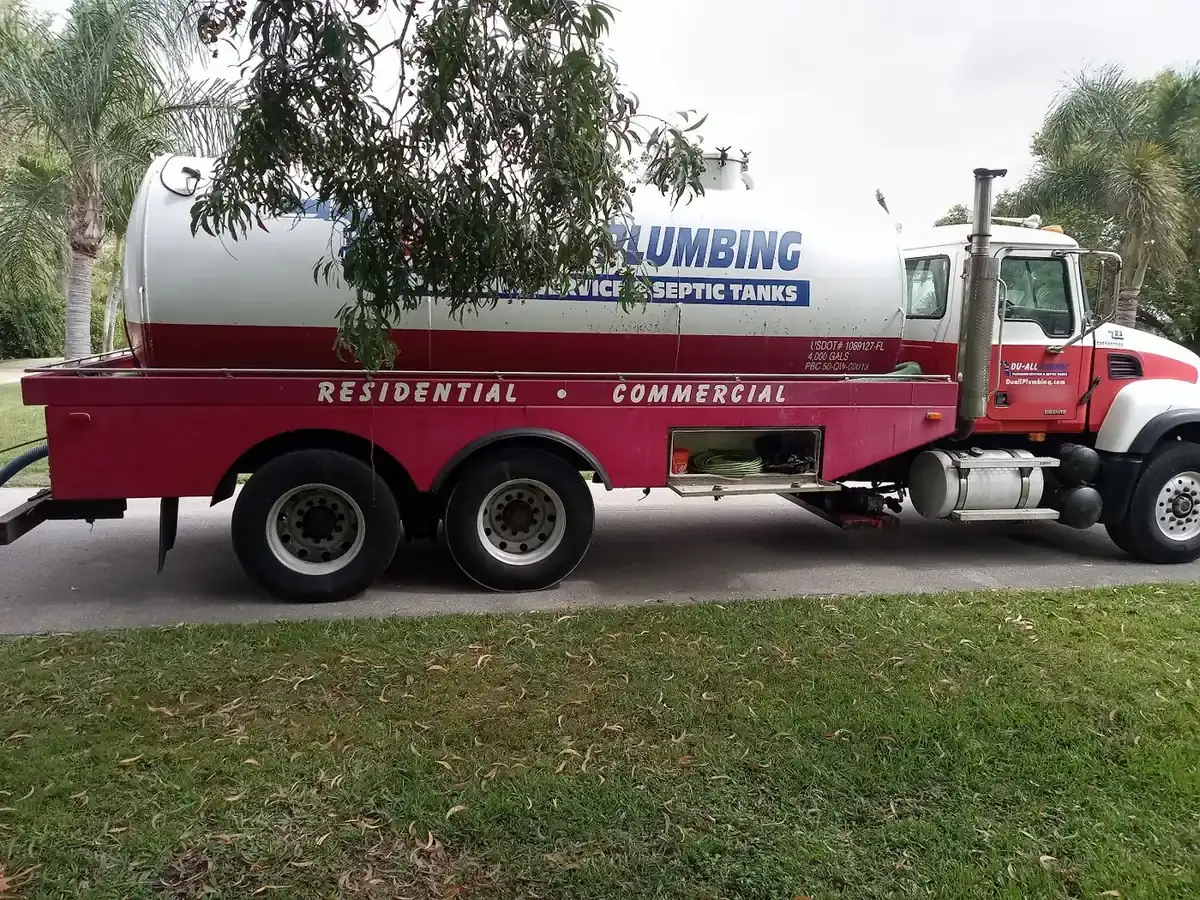
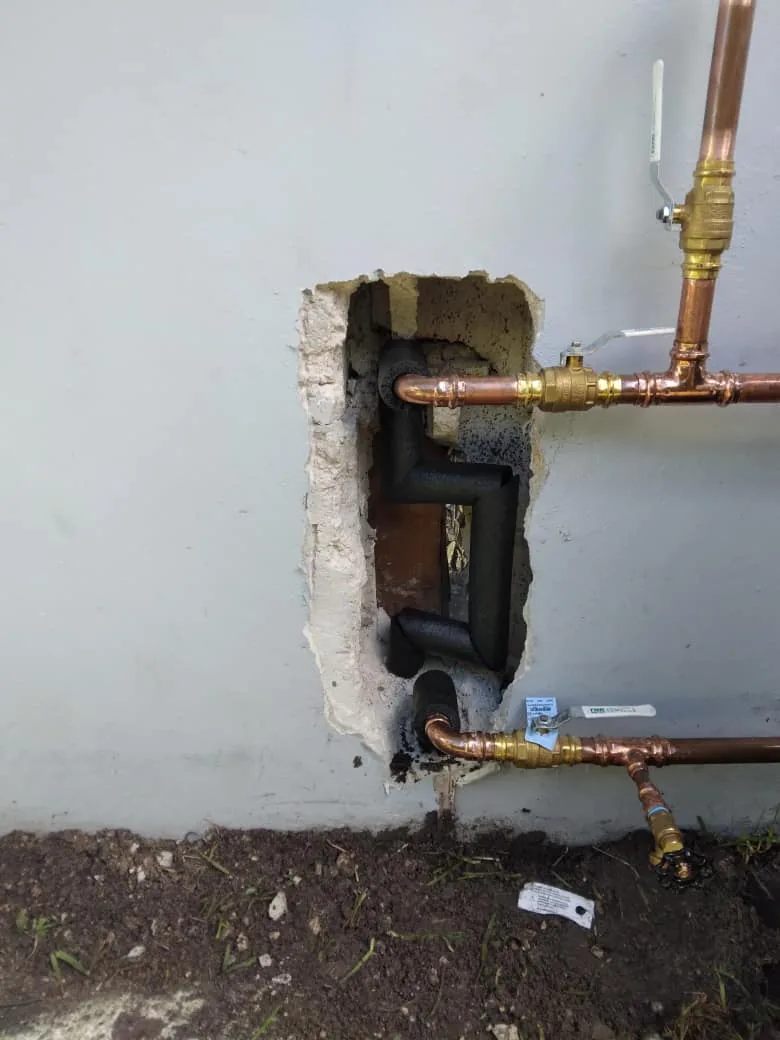
The page video and hero photo are shared Du-All site media, not footage of a specific job in this city.
Tell us about your Haverhill home, where you see signs of water and what you need.
Not valid with other offers. Not valid on prior service. Limit one coupon per service call.
Du-All Social
See the crews, trucks and jobs from around Palm Beach and the Treasure Coast.
Lake Worth Beach office
514 S E Coast St, Lake Worth Beach, FL 33460
561-623-3111
Palm City office
3442 SW Armellini Ave, Palm City, FL 34990
772-238-6456